TL;DR
- Wedding arches originated in ancient ceremonies
- Styles evolved from religious to romantic symbolism
- Modern arches blend tradition with contemporary design
As a wedding planner with a passion for tradition, I find the history of wedding arches absolutely fascinating. These elegant structures have served as ceremonial gateways for centuries, evolving from simple religious symbols to the romantic focal points we know today. Understanding their historical roots can add deeper meaning to your wedding arch choice and help you appreciate how this tradition has shaped modern ceremonies.
The wedding arch’s journey through history reflects changing cultural values, from spiritual gateways to declarations of love. Let’s trace this evolution and see how ancient customs continue to influence contemporary weddings.
Ancient Origins: The First Ceremonial Gates
Wedding arches trace their roots back to ancient civilizations where arches and gateways held significant symbolic meaning. These early structures weren’t always the decorative elements we see today, but rather practical and spiritual components of marriage rituals.
In ancient Rome, arches served as triumphal gateways celebrating military victories, but they also appeared in wedding ceremonies. Roman brides would pass through arched doorways or colonnades as part of their procession to the groom’s home. This passage symbolized the transition from one family to another, marking the bride’s new status in society.
The arch’s curved shape represented protection and continuity. Just as a bridge connects two sides of a river, the wedding arch connected the bride’s past life with her future. This symbolism of unity and transition remains at the heart of modern wedding arches.
Medieval and Renaissance Influences
During the Middle Ages, arches became more prominent in European wedding ceremonies, particularly within Christian traditions. The church played a central role in marriage rites, and arches began appearing in cathedral entrances and altar areas.
In medieval England, couples would often exchange vows beneath arched doorways of churches or castles. These stone arches, carved with intricate designs, represented the enduring nature of marriage vows. The Gothic arch, with its pointed design, became particularly popular during the Renaissance, symbolizing aspiration and spiritual elevation.
The Renaissance period saw arches evolve from purely functional structures to more decorative elements. Italian weddings began incorporating floral-decorated arches in outdoor ceremonies, blending pagan traditions with Christian symbolism. This period marked the beginning of arches as aesthetic choices rather than purely symbolic necessities.
Victorian Era: Romance and Symbolism
The Victorian era transformed wedding arches into the romantic symbols we recognize today. During Queen Victoria’s reign, weddings became elaborate affairs emphasizing love and commitment over social alliances.
Victorian brides popularized the use of floral arches in gardens and churches. These structures, often made of wrought iron and draped with flowers, represented the “gateway to married life.” The white wedding dress, introduced by Queen Victoria herself, complemented these arches perfectly, creating the visual language of modern weddings.
This era also saw the commercialization of wedding traditions. Arch manufacturers began creating portable versions for home ceremonies, making the tradition accessible to all social classes. The arch became a symbol of hope and new beginnings, much like the Victorian emphasis on domestic bliss and family life.
20th Century Transformations
The 20th century brought significant changes to wedding arches as weddings moved from churches to diverse venues. World War I and II influenced designs, with simpler, more portable arches becoming popular for military weddings and post-war ceremonies.
The 1920s and 1930s saw Art Deco influences, with geometric arches featuring clean lines and metallic accents. Hollywood weddings popularized these modern designs, as movie stars chose arches that reflected contemporary aesthetics.
The mid-20th century brought suburban weddings and outdoor ceremonies, leading to the development of lightweight, portable arches. Aluminum and PVC materials made arches accessible for backyard weddings and hotel ballrooms. This democratization of the wedding arch allowed couples from all backgrounds to incorporate this tradition into their ceremonies.
Cultural Variations and Global Traditions
Wedding arches appear in various forms across different cultures, each with unique symbolism and design elements.
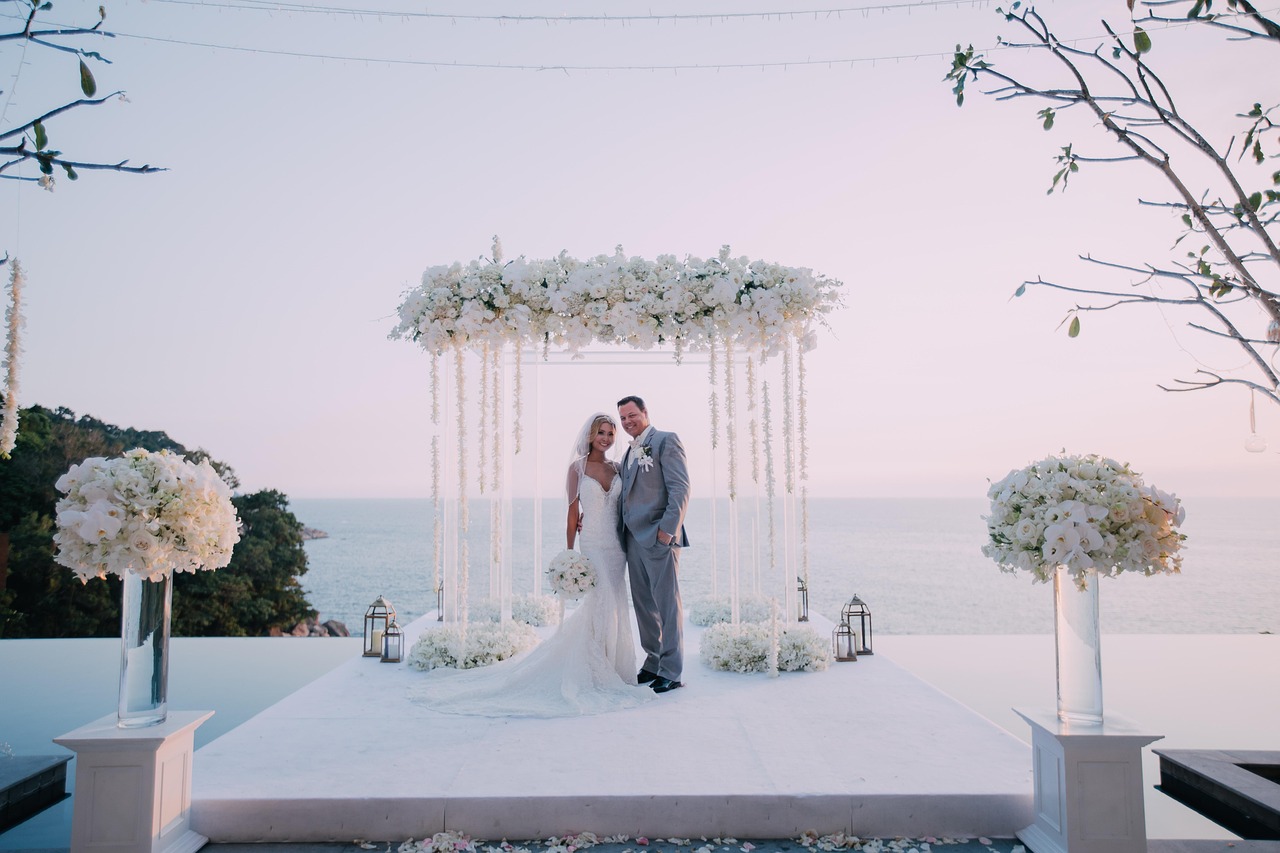
In Jewish weddings, the chuppah represents a canopy of love and protection, often supported by four poles rather than a curved arch. However, many modern Jewish couples incorporate arched elements into their chuppah designs.
Hindu weddings feature mandaps, which are pavilion-like structures that can include arched entrances. These ornate structures, decorated with flowers and fabrics, serve as sacred spaces for the marriage ceremony.
Mexican weddings often use mariachi arches decorated with papel picado and flowers, blending Spanish colonial influences with indigenous traditions. These vibrant arches reflect the celebratory nature of Mexican wedding customs.
Modern Evolution: Contemporary Designs
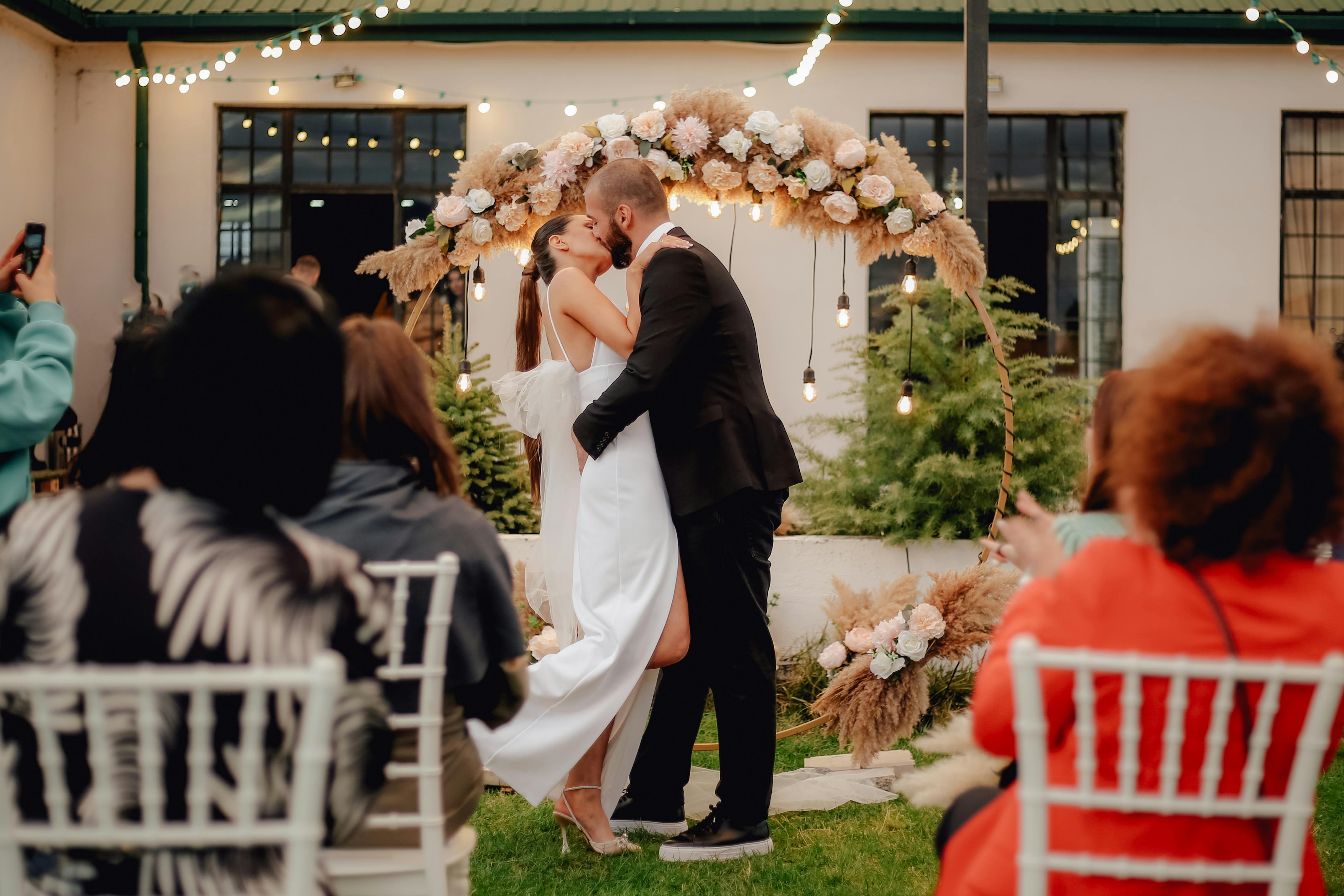
Today’s wedding arches reflect current design trends while maintaining their traditional symbolism. Contemporary couples are choosing arches that match their personal style and venue requirements.
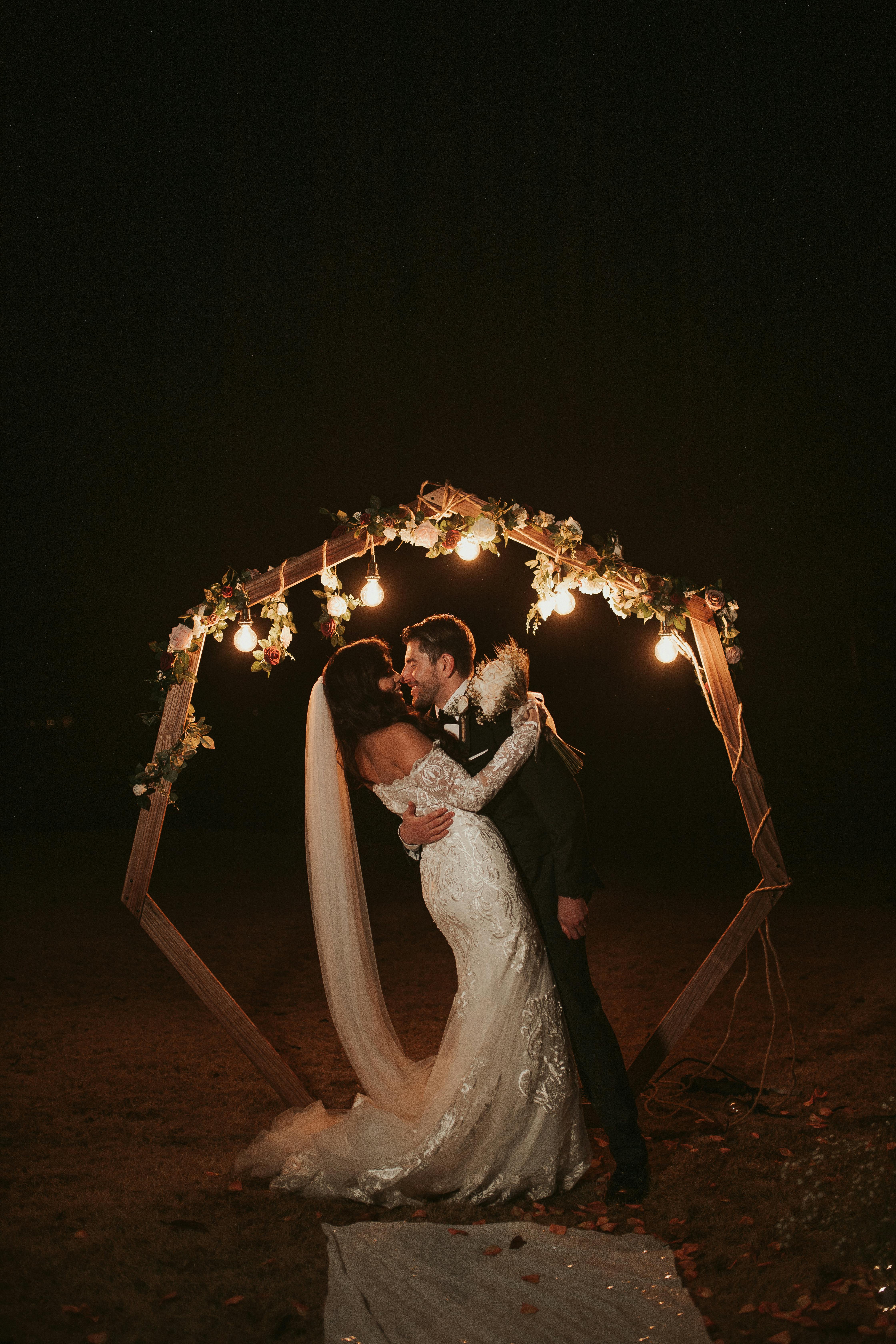
Modern arches come in materials ranging from traditional wood and metal to innovative options like bamboo, recycled plastics, and even LED-lit structures. The focus has shifted from purely symbolic to highly functional and aesthetic elements that enhance the overall wedding design.
Sustainability has become increasingly important, with many couples opting for eco-friendly arch materials and decorations. Reclaimed wood, biodegradable flowers, and energy-efficient lighting reflect modern values while honoring tradition.
The Arch in Digital Age Weddings
The 21st century has brought new dimensions to wedding arches. Virtual weddings during the COVID-19 pandemic led to creative digital arch designs, with couples using video backdrops and virtual reality elements.
Social media has influenced arch design, with couples choosing arches that photograph well for Instagram and wedding websites. Geometric shapes, neon lighting, and unconventional materials cater to the visual demands of digital storytelling.
Despite these modern adaptations, the core symbolism remains unchanged. The arch continues to represent the journey from single life to partnership, the creation of a new family unit, and the promise of a shared future.
Symbolism Across Cultures
While designs vary, the underlying symbolism of wedding arches remains remarkably consistent across cultures. The arch represents:
- Unity: Bringing two families together
- Protection: A safe space for vows and commitment
- Transition: Moving from one life stage to another
- Endurance: The lasting nature of marriage
- Hope: A gateway to future happiness
These meanings have endured through centuries of cultural and social change, proving the timeless appeal of the wedding arch.
Future of Wedding Arches
As weddings continue to evolve, so too will wedding arches. Emerging trends include:
- Smart arches with integrated lighting and sound systems
- Modular designs that can be reconfigured for different venues
- Sustainable materials that minimize environmental impact
- Personalized elements incorporating family heirlooms or custom designs
The wedding arch’s ability to adapt while maintaining its symbolic importance ensures it will remain a cherished tradition for generations to come.
Incorporating History into Your Wedding
Understanding the history of wedding arches can help you choose a design that resonates personally. Consider:
- Family Heritage: Research your cultural or familial wedding traditions
- Symbolic Meaning: Select elements that reflect your values and relationship
- Modern Twist: Blend traditional symbolism with contemporary design
- Personal Story: Use the arch to tell your unique love story
Conclusion
The wedding arch’s journey from ancient Roman gateways to modern ceremony focal points mirrors the evolution of marriage itself. What began as a practical element of religious ceremonies has become a universal symbol of love, commitment, and new beginnings.
As your wedding planner, I encourage you to embrace this rich tradition while making it your own. Whether you choose a classic wooden arch, a modern metal design, or something completely unique, remember that you’re participating in a ceremony that spans thousands of years and countless cultures.
Your wedding arch isn’t just decoration—it’s a bridge between past and future, tradition and innovation, two individuals becoming one. Choose wisely, and it will serve as a beautiful reminder of the vows you exchange beneath it.